You’ve got a brand agency. You’ve got a graphic designer. So why does your deck still look off when it hits the room?
This is the question we get more than almost any other at our presentation design agency. A Marketing Manager or founder will arrive with a pitch coming up, a brand refresh in flight, or a half-finished template, and they’ll tell us their graphic designer has done their best but the deck still isn’t working. Often, they’ll say it with a slightly puzzled tone, as if it shouldn’t be this hard.
It isn’t a mystery though. The presentation designer vs graphic designer question is one of the most misunderstood in our industry, and getting it wrong is how clients end up with decks that look polished on a single slide and fall apart the moment someone tries to present them.
So let’s break it down properly. Where the roles overlap, where they don’t, and how to tell which one your next project actually needs.
Presentation designer vs graphic designer: the headline difference
A graphic designer designs work that’s meant to be viewed on its own. A poster. A social tile. A magazine spread. The viewer takes it in, in their own time, with no one standing next to it explaining anything. Density, complexity and detail are features, not bugs. The design is the message.
A presentation designer designs work that supports a human being. The slide is not the message. The speaker is the message, and the slide’s job is to amplify, illustrate or anchor what they’re saying. If the slide is fighting for attention, the speaker loses. If the slide is over-designed, the audience reads it instead of listening.
That’s the headline. Two disciplines that look similar from the outside and reward different instincts on the inside.
Why a slide can look beautiful and still flop
Most clients first notice the gap when the deck moves out of a static design tool and into presenter mode. From a Google Drive thumbnail, things look great. Open the file in PowerPoint, hit slideshow, and three problems usually surface.
The animations either don’t exist or are clunky. Graphic designers aren’t typically PowerPoint experts, and PowerPoint’s animation engine takes time and craft to use well. Without that craft, every slide lands flat and the deck feels heavier than it should.
The slides are over-loaded. Because the designer is used to building work that has to communicate on its own, they pack the slide with everything. Too many words, too many graphics, too many visual signals competing with whatever the speaker is trying to say.
The pacing is wrong. Static design has no rhythm. Presentations live and die by rhythm. Reveals, builds, transitions, the order in which information unfolds: a presentation designer thinks about all of this. A graphic designer rarely has to.
None of that is a knock on graphic designers. It’s a different job. Asking a brilliant brand designer to build a deck is like asking a screenwriter to direct a play. Adjacent skills, different craft.
The role split most agencies won’t tell you about
Here’s the bit where most presentation agencies and Hype part ways.
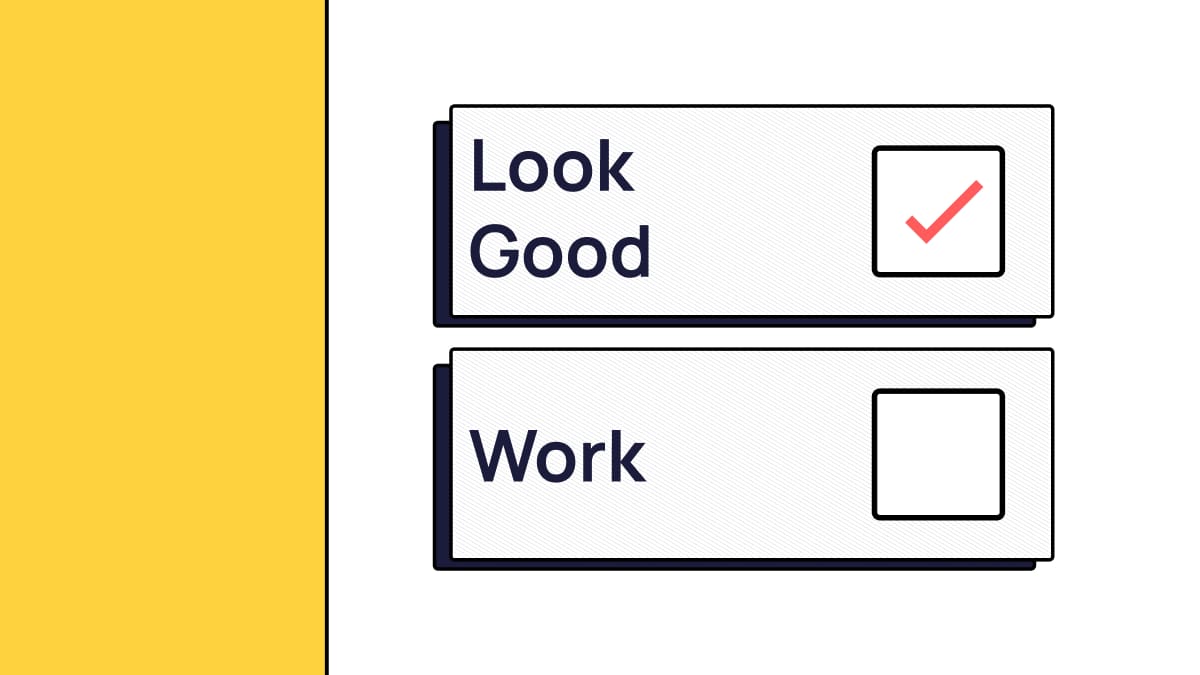
The average “PowerPoint design agency” designs in PowerPoint. We don’t. PowerPoint isn’t a design tool. It’s an application for building and animating presentations. So at Hype, we treat presentation work as two separate jobs.
First, our graphic designers design the slides in specialist design software like Figma. They focus on layout, typography, hierarchy, brand expression, all the things graphic designers are properly trained to do. Then a different group of people, our presentation experience specialists, take those designs and build them into PowerPoint, Google Slides or whatever the client uses. They handle the master slides, the layouts, the animations, the transitions, all the things that make the file work as a presentation rather than a stack of static images.
Two roles, two skill sets, one output. We’ve yet to meet a single person who’s elite at both, and we’ve tried to hire them for years. The honest answer is that the disciplines reward different brains.
If the agency you’re looking at is one person, in PowerPoint, doing it all, that’s worth asking about.
Templates: where the cracks usually show
The most common reason clients come to us isn’t a pitch deck. It’s a template.
A graphic designer builds a template that, on the page, looks great. The brand is on point, the type system is considered, the layouts feel modern. Then it gets rolled out to the wider team and the complaints start. Placeholders don’t behave. Master slides aren’t set up properly. Layouts break when someone adds an extra bullet. The brand team gets dragged into rebuilding every deck that leaves the building.
Roughly one in 10 projects through our studio is a template rebuild like this. We don’t say that as a brag. We say it because it’s the clearest signal in the market that the role split matters. The template wasn’t built badly because the designer is bad. It was built badly because building a robust, scalable PowerPoint template is its own discipline, and graphic designers rarely train in it.
A well-built template, in our experience, saves a team hundreds of hours a year. A broken one creates a permanent low-grade tax on every deck the company ever produces.
When to hire a presentation designer vs graphic designer
So when does each role belong on the project? A few rules of thumb we use with clients.
Hire a graphic designer when you need brand assets, identity work, print, social, web graphics, or anything where the audience meets the design directly with no speaker.
Hire a presentation designer when there’s a slide deck involved, a template the wider business will use, an investor pitch, a sales deck, a town hall, a conference keynote, anything that lives on a screen with someone presenting it.
In a lot of cases, the right answer is both. The brand identity work comes from your existing agency. The deck or template work comes from a presentation specialist. The two outputs should sit comfortably together, because the presentation designer should be reading the brand guidelines just as carefully as the brand designer wrote them.
A useful tell, by the way. A lot of clients first call us because their graphic designer has told them, politely or otherwise, that they hate PowerPoint. That isn’t laziness. It’s honesty. Most graphic designers do hate PowerPoint, because it isn’t the tool they trained on. At Hype, we love it. We’ve spent years getting fluent in it. It’s a fundamentally different relationship with the software.
What to look for if you’re hiring
If you’re choosing between a generalist graphic designer and a presentation specialist, a handful of things are worth asking:
Do they design in PowerPoint, or do they design in a design tool and then build into PowerPoint? The second is a stronger signal.
Can they show you a fully built template, not just template-style slides? A real template is more than visuals. It’s masters, layouts, theme colours, font sets, placeholder behaviour, the whole engine.
Can they animate? Not “is there animation on the showreel”. Can they animate inside PowerPoint or Google Slides, where it actually has to live?
Have they worked on the type of presentation you need? Pitch decks, sales decks, conference keynotes and internal all-hands are all their own animals. A specialist who’s done all four is more useful to you than a generalist who’s done none. Our guide to briefing a presentation design agency goes deeper on this if you’re getting close to hiring.
Finally, ask how they’re set up. If they’re one person doing everything from layout to animation, you’re getting a generalist by definition. If there’s a team built around the two roles, you’re getting specialists.
The takeaway
Graphic designers and presentation designers are both essential. They aren’t substitutes for each other, and treating them as if they are is the single most reliable way to end up with a deck that looks fine on screenshots and falls over in the room.
If your next project needs identity, illustration or static design, hire a graphic designer. If it’s going on a screen with a human being in front of it, hire a presentation designer. And if you’ve been quietly fighting with a template that doesn’t behave, or a deck that looks better than it presents, it’s almost certainly the second.
We’d rather you make the right call than the convenient one.
Working on a deck or template that isn’t pulling its weight? A 30-minute call with our team will tell you whether you need a presentation specialist, your existing graphic designer, or both.
FAQs
Can a graphic designer build a pitch deck?
They can, and sometimes it works out. But a pitch deck is a presentation, not a brochure, and most graphic designers aren’t trained in presenter-mode behaviour, animation, transitions or template structure. The result is often a deck that photographs well and presents badly.
What does a presentation designer do that a graphic designer doesn’t?
A presentation designer thinks about pacing, reveals, transitions, presenter-mode behaviour, template architecture and how the slide supports a speaker. A graphic designer focuses on static design that has to communicate on its own. Different jobs, different training.
Should I hire a graphic designer or a presentation designer?
If the work is print, identity, social, web, or anything seen without a speaker, hire a graphic designer. If the work is a deck, a template, an investor pitch, a sales presentation, a town hall or a keynote, hire a presentation designer. Often you’ll need both, working off the same brand guidelines.
Do presentation designers use design software?
The good ones, yes. At Hype, we design in specialist software like Figma and then build and animate those designs in PowerPoint or Google Slides. PowerPoint isn’t a design tool. Treating it as one is how teams end up with templates that don’t work.