Getting a great presentation back from a design agency is not just about picking the right agency. It is also about giving them what they need to do their best work.
A good brief does not need to be a lengthy document. It does need to be clear. The more focused and useful your brief, the faster the project moves, the fewer revisions you need, and the stronger the final result. This guide walks you through exactly what to include, what assets to share, how timelines work, and how to get the most from your feedback rounds. This is how to brief a presentation design agency.
Why the brief matters more than you think
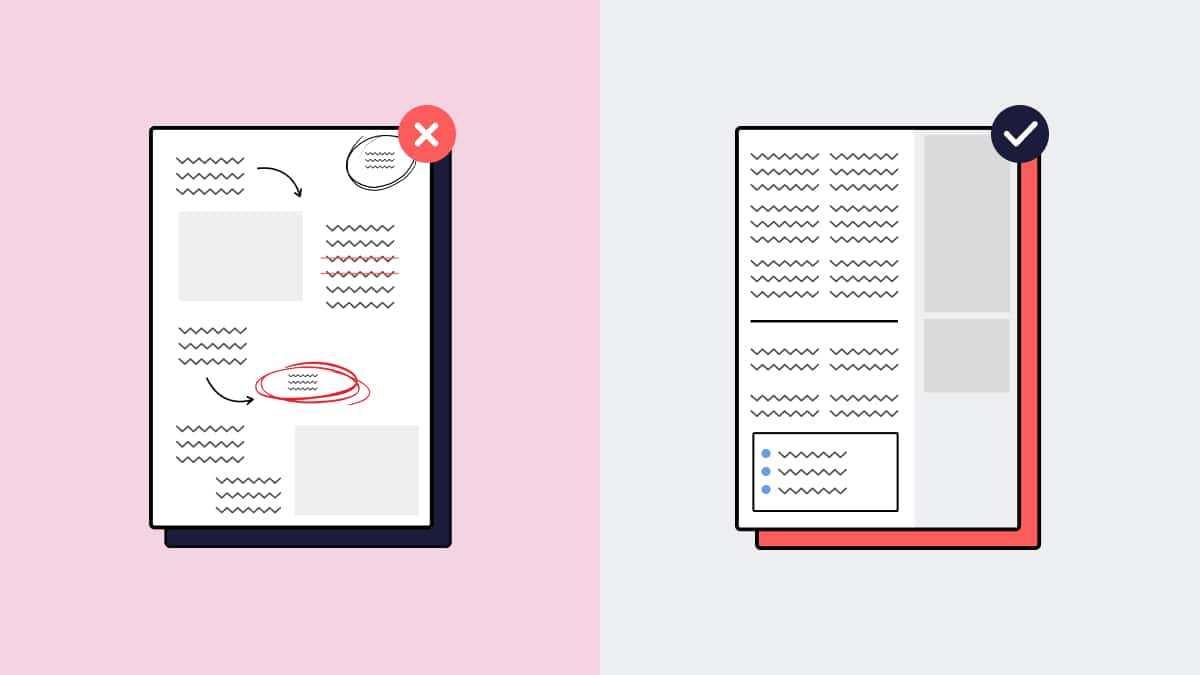
Most project delays and miscommunications happen at the start, not the middle. When a brief is vague, a designer has to make assumptions. Sometimes they guess right. Often they guess in a direction that makes perfect sense to them but not to you.
A clear, detailed presentation brief means the designer can focus all of their energy on the creative work rather than trying to reverse engineer your intentions. It also gives you a shared reference point throughout the project, so feedback becomes much more straightforward.
Think of the brief as the foundation. Everything that comes after it is built on top of it.
What to gather before you brief a presentation design agency
You don’t need to have every answer polished and ready before speaking to a presentation design agency. But the more you can articulate these four areas upfront, the smoother the project will be.
Business context and objectives
Start with the why. What is this presentation actually for? Is it a pitch to win new business? A board update? A keynote for a conference? An internal leadership communication?
Be specific about the outcome you want. “We want the audience to approve the budget” is far more useful than “we want a professional-looking deck.” The goal shapes everything from structure to tone to visual hierarchy.
It also helps to share context about your business. What do you do, who do you serve, and what makes you different? If there is a competitor landscape or market context worth knowing, share it. The more the agency understands your world, the better they can represent it.
Audience and occasion
Who will be in the room, or on the screen? What do they already know, and what do they need to feel by the end?
A presentation for a room of investors looks and feels very different to an internal strategy deck for your leadership team. Format matters too. Will this be presented live, sent as a leave-behind, or both? Will it be delivered in person or over video call? These details directly affect design decisions around text density, slide count, and animation.
Content and messaging
This is where most people underestimate what they need to provide.
You do not need to have the slides written. You may not even need to have any idea of the story you want to tell; some of the best agencies will pick your brains in the form of a workshop to discover and hone your narrative, the key points you need to land, and any data, stats, or evidence you might want to include.
Even without this service, if you have a rough outline, a Word document of talking points, or even a messy first draft, share it. Working from something is always easier than starting from nothing.
If you are not sure about the structure, a good agency will help you work through it. Just be honest about where you are in the process.
Brand guidelines and assets
If your business has brand guidelines, share them. This includes fonts, colours, logo files, and any existing templates. If your guidelines live in a shared drive, send the link.
If you do not have formal brand guidelines, share examples of things you like. A website, a brochure, a deck from another business that you think looks great. Visual references are genuinely useful and save a lot of back and forth.
What assets to share with your agency
Once the project kicks off, the agency will need access to the right files. Here is what to pull together:
Brand assets: Logo files in vector format (SVG or EPS) if possible, alongside any approved colour palette and font files.
Content: Any existing copy, data, charts, or scripts. Even rough notes are better than nothing.
Images: Photography, product shots, team photos, or any visuals you want included. High resolution is essential. Screenshots from a website are rarely print quality, so if in doubt, share the originals.
Existing templates: If there is a current PowerPoint template, share it even if you want it redesigned. It gives the agency context.
Competitor or inspiration references: Share presentations or designs you admire, and be honest about what specifically you like about them. “We like the clean layout and the way they use white space” is more useful than a link with no context.
The cleaner and more organised your assets folder, the smoother the project runs.
How to set realistic timelines.
This is where expectations often need a gentle reality check.
A well-designed presentation takes time. The amount of time depends on complexity, slide count, and how much iteration the project involves. As a rough guide:
A straightforward deck of 10 to 20 slides with clear content provided can typically be turned around in a couple of days. A more complex project involving storytelling, multiple rounds of revisions, or a large slide count will take longer.
If you have a hard deadline, say so from the outset. A good agency will tell you honestly whether it is achievable. Rush projects are sometimes possible, but they usually involve trade-offs.
Build review time into your timeline on your side too. Feedback rounds can stall a project significantly if stakeholders are not available or aligned. If you know sign-off involves three people, factor that in before you give the agency a deadline.
How feedback rounds work (and how to make them count).
Most presentation design projects include two or three rounds of amends as standard. Understanding how to use these rounds well is the difference between a smooth project and one that drags.
The most common cause of project overruns is consolidated feedback arriving late, or feedback that contradicts itself because different stakeholders were not aligned before sending. Agree internally before you send. Be specific about what you want changed and why. “I am not sure about this” is hard to action. “The headline on slide 7 needs to be more direct because our audience responds better to specifics” gives the agency something to work with.
A few things that make a presentation design project run brilliantly
Based on working with a wide range of clients, the presentation design projects that go most smoothly tend to have a few things in common.
One clear point of contact. If the agency is receiving feedback from multiple people simultaneously, things get complicated fast. Appoint someone to consolidate all feedback before it goes back.
Honest upfront conversations about budget. Agencies are not trying to catch you out. Sharing your budget range helps them scope the project appropriately and avoids surprises on both sides.
Trust in the process. Design decisions are made for a reason. If something looks unexpected, ask about it before asking for it to be changed. There is usually a logic worth hearing.
A clear audience in mind. The best briefs are written with a specific person or group of people in mind. Knowing who you are designing for makes every decision cleaner.
Ready to get started?
If you are thinking about working with a presentation design agency, the best first step is a conversation rather than a brief. Most agencies, including us, are happy to have an initial call to understand your project before anything formal is committed to.
From there, we can help you shape the brief, advise on timelines, and make sure the project is set up for success from day one.
Explore our presentation design services or take a look at our pricing to get a sense of what is involved.
FAQs on how to brief a presentation design agency
What is a presentation design brief?
A presentation design brief is a document or conversation that outlines the key details of your presentation project. It typically covers the purpose and goals of the presentation, the intended audience, the content and messaging to be included, brand guidelines, existing assets, and the timeline. A good brief gives a designer everything they need to start creating without having to guess.
How long does a presentation design project take?
Timelines vary depending on the complexity of the project, the number of slides, and how much content development is involved. A straightforward deck of 10 to 20 slides can typically be completed in a couple of days. Larger or more complex projects take longer. If you have a fixed deadline, share it at the outset so the agency can advise on whether it is achievable.
How many rounds of amends are usually included?
Most presentation design projects include two to three rounds of revisions as standard. Using these rounds effectively, with consolidated, specific feedback, will help you get the best possible result without unnecessary delays.
Do I need to write the content before briefing an agency?
Not necessarily. Some clients come with fully written copy and just need it designed, some come with rough notes or a broad idea of the story they want to tell and need help structuring it and others coming with nothing at all. Being upfront about where you are in the process helps the agency scope the work accurately.
What files and assets should I share with a presentation design agency?
At a minimum, you should share brand guidelines (colours, fonts, logo files), any existing content or copy, photography or imagery you want used, and any relevant reference materials or inspiration. If you have an existing template, share that too even if you want it updated.