





Presentation designers who get you the yes.

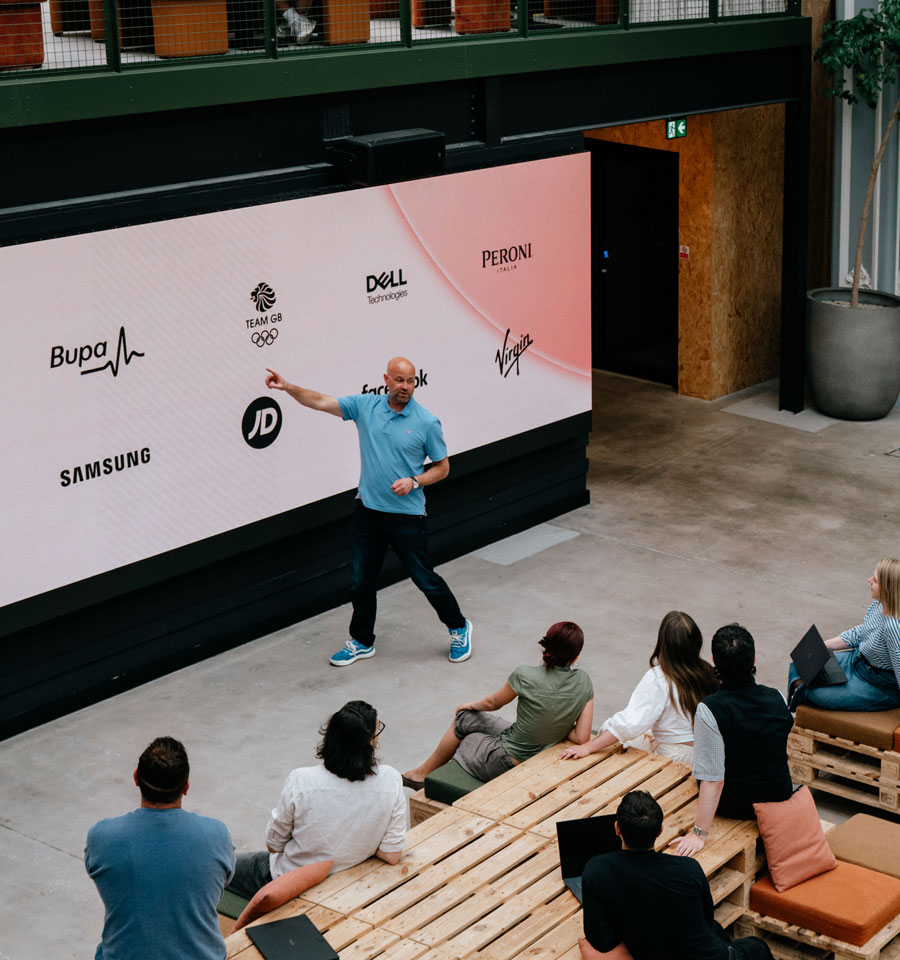
You’ve got a deck that has to win the funding, close the deal, or move a room full of people who can say no. Our presentation designers have done that for UEFA, Samsung, Diageo and Team GB, out of studios in Manchester and Brooklyn.

  • 12 designers.
  • 300+ decks delivered last year.
  • $500M+ raised on our investor decks.

Good designers are everywhere. Presentation designers aren’t.

Hype presentation designer

A serious presentation takes three different crafts: the argument, the design, and the build. They’re not three versions of the same skill, and almost nobody is excellent at all three.

Most presentation designers are hired for the middle one and discover the other two on the job. That’s how you end up with one of two decks. A beautiful one that argues nothing, or a smart one that looks like it was made in 2011. Neither gets you the yes.

The third craft is the one nobody warns you about. A 60-slide deck is a piece of software as much as a piece of design. It has master slides, inherited templates, linked charts, and six people with editing access. Get the build wrong and it falls apart on the morning it matters.

What our presentation designers actually do.

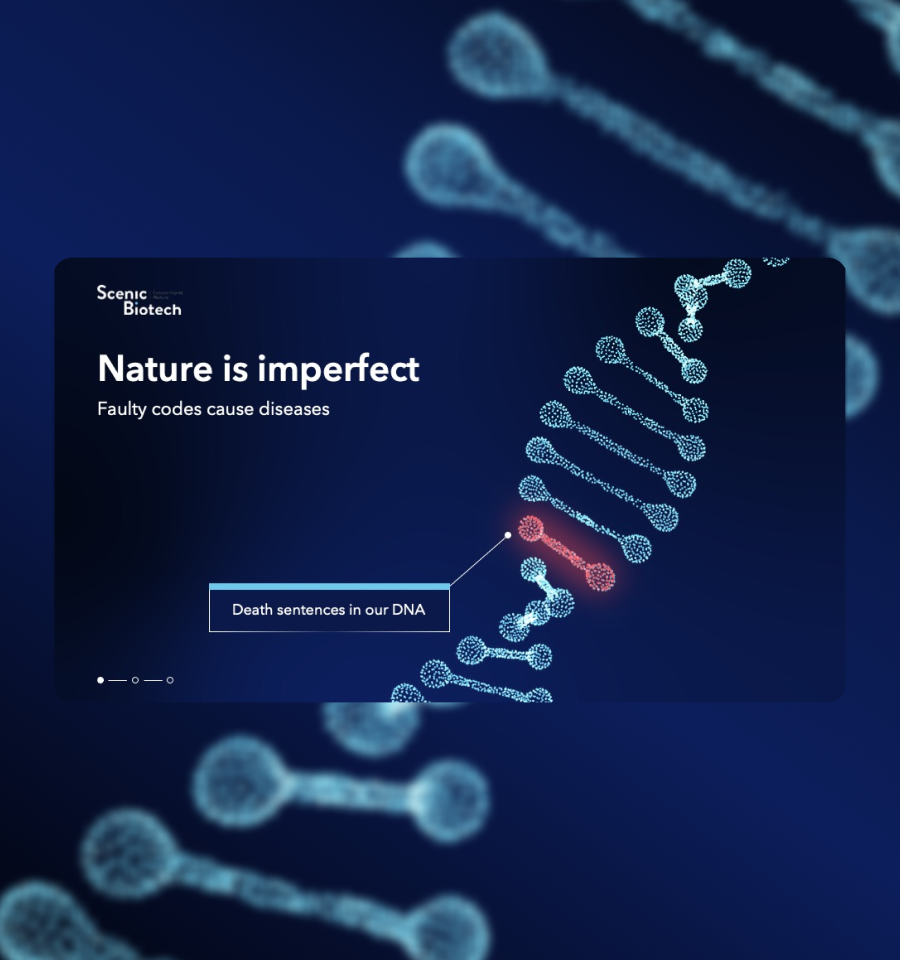
Biotech presentation design

Five things, on every project, whether it’s one deck or a year of them.

  • We turn a brain dump into an argument. You send the raw material, half-finished thinking and all. We come back with a structure that builds to the thing you need the room to agree to.
  • We design to the standard your brand is held to. On brand, on template, and still worth looking at.
  • We make the data make a point. Charts that answer the question in the room, not charts that decorate the slide.
  • We build decks that survive real life. Editable files, proper masters, and a handover so your team can run with them without calling us every time.
  • We work in your software, not ours. PowerPoint, Google Slides, Keynote or Figma Slides. We’ll tell you which one fits, even when it isn’t the one we’d pick.

Why three specialists work on your deck, not one presentation designer.

Every project runs through three specialists, with an account manager keeping it moving and our Head of Creative across all of it. Nobody here does all three crafts, because those skills rarely sit in the same pair of hands. It's also how we avoid the default PowerPoint route most agencies tread. Established craft pointed at something original, rather than a template with your logo dropped into it.

Storytellers

They distil complex data and half-finished thinking into a plotline. Structure, sequence, the order the points land in, and the thing you need the room to agree to by the end. If the story is wrong, no amount of design rescues it, which is why this happens first and why it’s the stage most agencies skip.

Designers

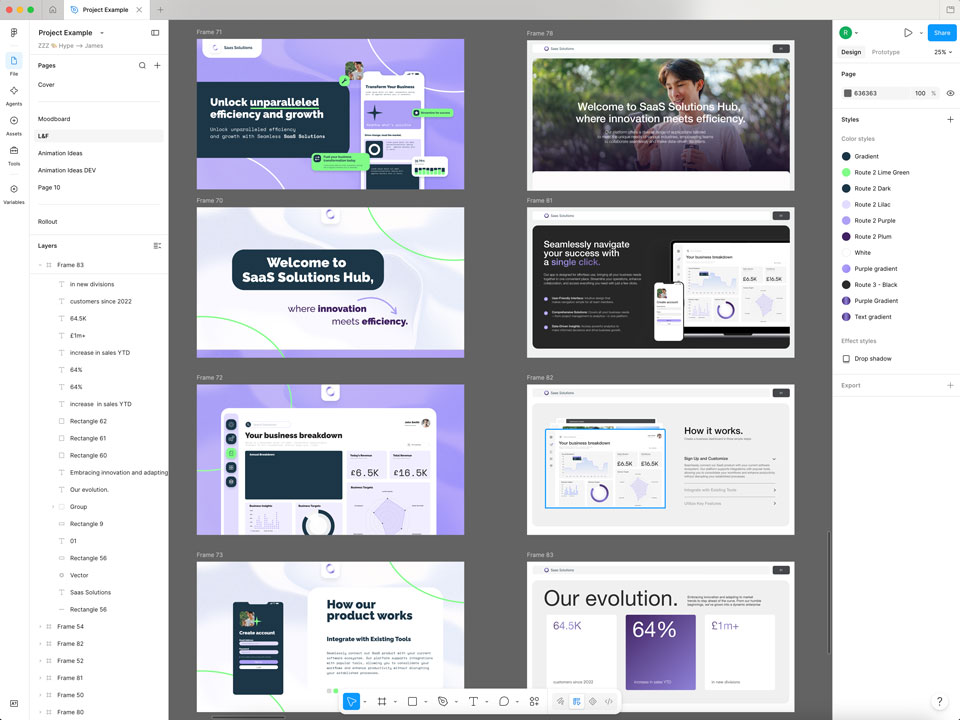
They design the deck in Figma, not in PowerPoint. That matters more than it sounds. A proper design tool means real type control, real layout, real components, and iteration that takes minutes rather than an afternoon of fighting a text box. Design decisions made by designers, in the software designers actually work in.

Presentation specialists

They rebuild that design natively in PowerPoint and bring it to life. Premium animation, motion design, build order, master slides, and files your team can edit without anything breaking. This is the craft that separates a deck that looks good in a screenshot from one that holds up live, and it’s the part almost nobody staffs properly.

Will and Elise from Hype Presentations

Account Managers

They sit between you and the studio, so you’re never chasing four people for one answer. Briefs in, feedback routed, deadlines held.

You’ll meet the team on your project at kick-off, with the work they’ve done and the brands they’ve done it for. What you can judge before you sign is the work. That’s the standard, whoever ends up on your project.

See our work.

We design in Figma. We build in whatever you present in.

Design happens in a proper design tool. The build happens natively in your software, so what you get back is a working file rather than a folder of flat images. You’ll never be handed a Figma file and told to work it out, unless a Figma file is exactly what you asked for.

PowerPoint designers

Most of our work lands in PowerPoint, and our presentation specialists build it natively there rather than exporting flat images out of a design tool. That means master slides that hold, templates that behave, animation that runs on your machine, and files your team can edit without breaking. They know what happens when you nest a group inside a group, and they build so it doesn’t.

You’ll see the job advertised as PowerPoint designers, PPT designers or PowerPoint experts. It’s one craft, and it’s the one we built the studio around. See PowerPoint presentation design services.

Google Slides

For teams who work in the browser and need 12 people in one deck without it falling over. See Google Slides design.

Keynote

For the keynote itself. Smooth, cinematic, built for a big screen and a dark room.

Figma Slides

For design teams who already live in Figma and want the deck sitting alongside everything else. See Figma Slides design

Figma for presentation design
Presentation designers using Figma

Where AI fits,
and where it doesn’t.

couple of presentation designers

AI is quick at the graft and poor at the judgement, which is why we describe ourselves as human-first. People lead the thinking and the creative. AI clears the work that never needed a person in the first place.

Our designers use it every day for the unglamorous jobs: cleaning up data, cutting out images, drafting alt text, resizing assets, cloning icons. That saves hours, and those hours go back into the story and the craft.

What it can’t do yet is sit in your market, understand who’s in the room, and decide which of your five proof points is the one that changes a mind. Generated decks look plausible from three feet away. They fall apart the moment somebody senior asks a hard question, because nobody decided what the deck was actually arguing.

So we’re not anti-AI. We’re pro-judgement. Human-first, and AI-ready when you want a PowerPoint template or a system your team can run themselves.

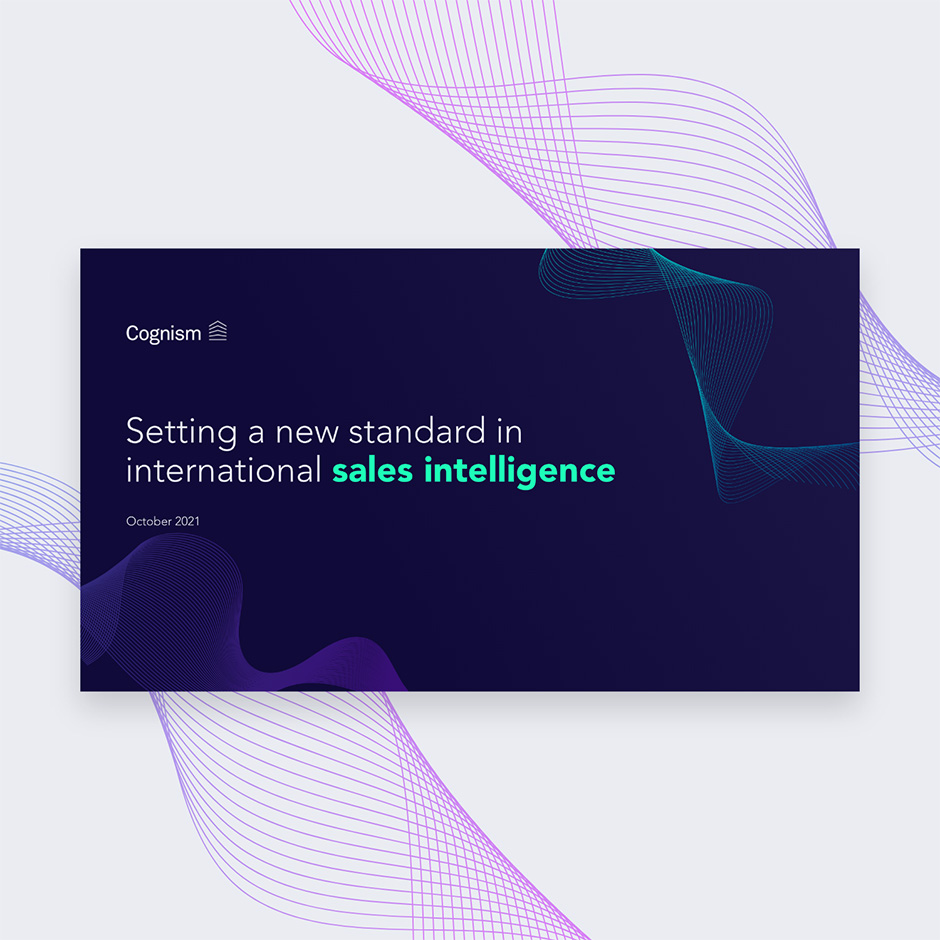
Cognism: $87.5m raised at Series C.

series c pitch deck slide

Cognism had to convince investors that its lead in European sales intelligence was durable and that its push into the US was a safe bet. A discovery workshop gave us the three arguments worth building on: the momentum behind the brand, the proprietary technology and data behind the product, and 100% data compliance as the answer to every risk question in the room.

The design carried the same argument. Deep blues for credibility, bold highlight colours so it didn’t look like every other software deck, and animation that moved forwards steadily rather than showing off.

  • Result: $87.5m raised
  • Built by: a storyteller, a designer and a presentation specialist
Read the Cognism story

How to hire our presentation designers.

Tell us what has to happen

30 minutes on a call. The outcome, the audience, the deadline, the politics.

We scope it and price it

Fixed price or day rate, agreed up front. No surprises on the invoice.

Discovery and story

Our storytellers interrogate the argument before anyone opens a design file. This is the part that makes the difference, and it’s the part most people skip.

Design

Designed in Figma, on your brand, with checkpoints you actually see rather than a big reveal at the end.

Build

Rebuilt natively in your software by a presentation specialist, with the animation, the transitions and the master slides done properly.

Handover

Editable files, a walkthrough for your team, and a team you can ask for again next time.

The part
that doesn't
show up in a
portfolio.

We worked with Elise and the team at Hype to create a set of PowerPoint templates and the whole process was a pleasure to be part of. Impressive communication, design, knowledge and patience! We wouldn’t hesitate to work with Hype again in the future.

Anna Pettinger Marketing Manager at Psychological Consultancy
Hype Presentations client success presentation

The numbers

  • 12 storytellers, designers and presentation specialists in the studio
  • 300+ decks delivered in the last 12 months
  • 2 week average turnaround
  • $500 million + raised by clients across our investor decks
  • 4.8 Google rating from 26 reviews
  • 50% of our clients are US based

Questions worth asking

What does a presentation designer do?

A presentation designer builds the story, the design and the slide mechanics of a business presentation. That means structuring the argument, designing on-brand slides, turning data into a point, and building files that stay editable for whoever inherits them. It’s a specialism rather than a branch of graphic design, because the output has to persuade a live room and then survive being edited by six other people. At Hype those three crafts are done by three different specialists rather than one person, because the skills rarely sit in the same pair of hands.

What's the difference between a presentation designer and a graphic designer?

A graphic designer makes individual assets look good. A presentation designer makes a sequence of slides build one argument, in software designed for editing rather than for design. The visual craft overlaps. The narrative structure and the file engineering don’t. We’ve a dedicated blog on this here.

How much does it cost to hire a presentation designer?

Our work starts at £1,900, and a typical 20-slide deck lands between £2,500 and £6,000. Price moves with the deck, the deadline and how much of the thinking is already done. Full detail on our pricing page.

How long does it take to design a presentation?

Our average turnaround is 2 weeks. A short sales deck can be done in 2 working days. An investor deck with real discovery behind it usually runs a few weeks. We take same-week work when the calendar allows it.

Who actually works on my presentation?

Three specialists, an account manager and our Head of Creative. A storyteller structures the argument, a designer designs it in Figma, and a presentation specialist builds and animates it natively in PowerPoint, Google Slides or Keynote. Your account manager runs the project between you and the studio. You meet the team at kick-off, and the same people stay on it through to handover.

Why do you design in Figma and build in PowerPoint?

Because they’re different jobs and the tools are built for different things. Figma is a design tool, so type, layout, components and iteration are faster and better there. PowerPoint is where the deck has to live, be presented and be edited, so that’s where the final file gets built natively. Designing in Figma and exporting flat images would give you a deck you can look at but not use, which is why our presentation specialists rebuild it properly.

Do you have dedicated PowerPoint designers?

Yes. All of our designers work in PowerPoint every day, and PowerPoint is where roughly 90% of our projects land. They handle master slides, template builds, animation and repair work on decks that have been through too many hands. If you’ve been searching for PowerPoint designers, PPT designers or PowerPoint experts, that’s the same job and it’s the one we do most.

What's the difference between presentation designers and PowerPoint designers?

Nothing, in practice. PowerPoint designers is what people search for when they know the software they’re stuck in. Presentation designers is the broader job title, covering the story and the design as well as the build. Our team does all three, and they also work in Google Slides, Keynote and Figma Slides when the project calls for it.

Do you design in PowerPoint, Google Slides, Keynote or Figma?

All four. We’ll recommend the one that fits how your team works and what the presentation has to do, not the one we happen to like best.

Do you use AI to design presentations?

We use AI for the repetitive work: data cleanup, image editing, asset resizing. The story, the design decisions and the build are done by people. We call it human-first, and it’s why the deck holds up when somebody senior starts asking questions.