Most universities we work with have a central marketing team, a brand book, and a template sitting on the intranet that nobody uses. They also have every school, faculty, research centre and professional services directorate building slides their own way, with a logo someone downloaded from Google in 2019.
That is a distribution problem rather than a design problem, and it comes from how universities are structured rather than from anyone doing a bad job. A central team cannot design its way out of it one deck at a time.
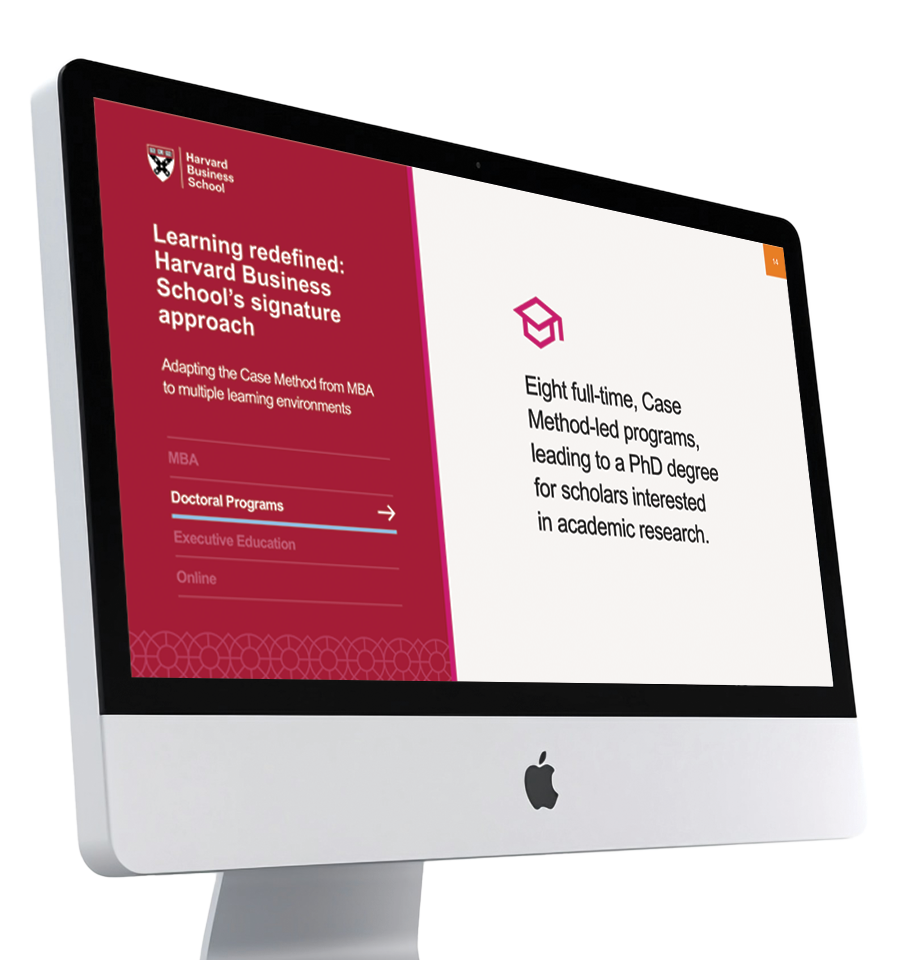
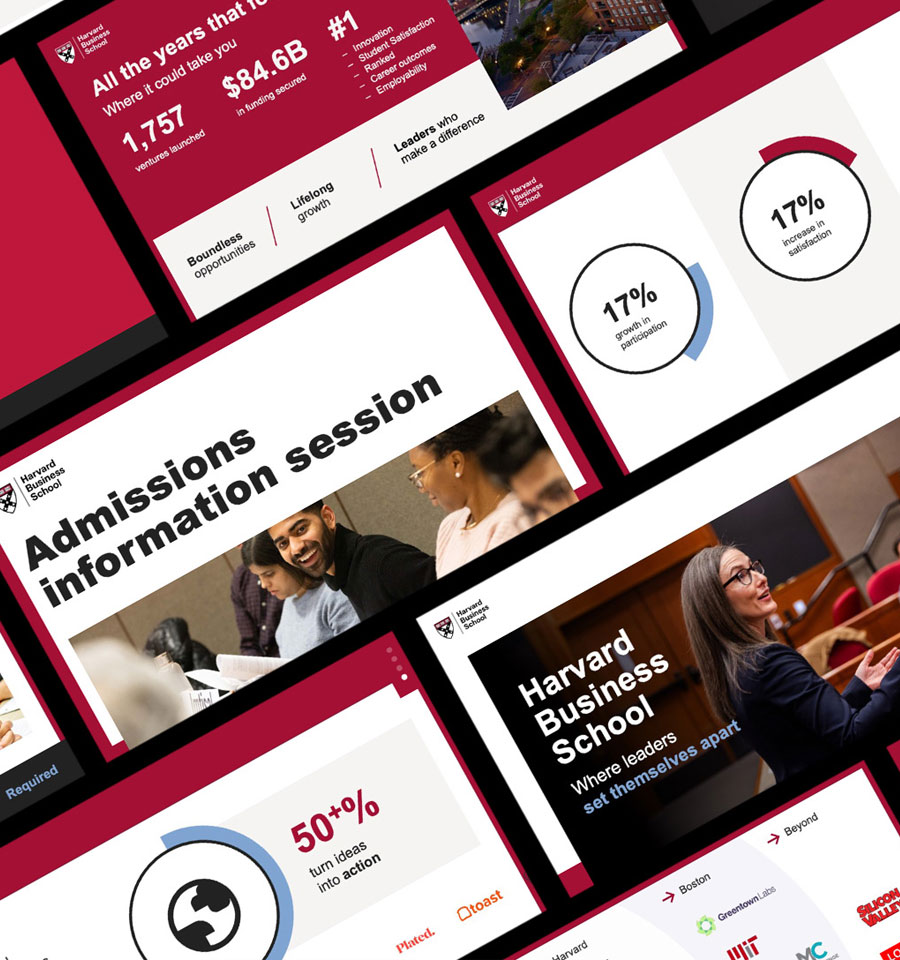
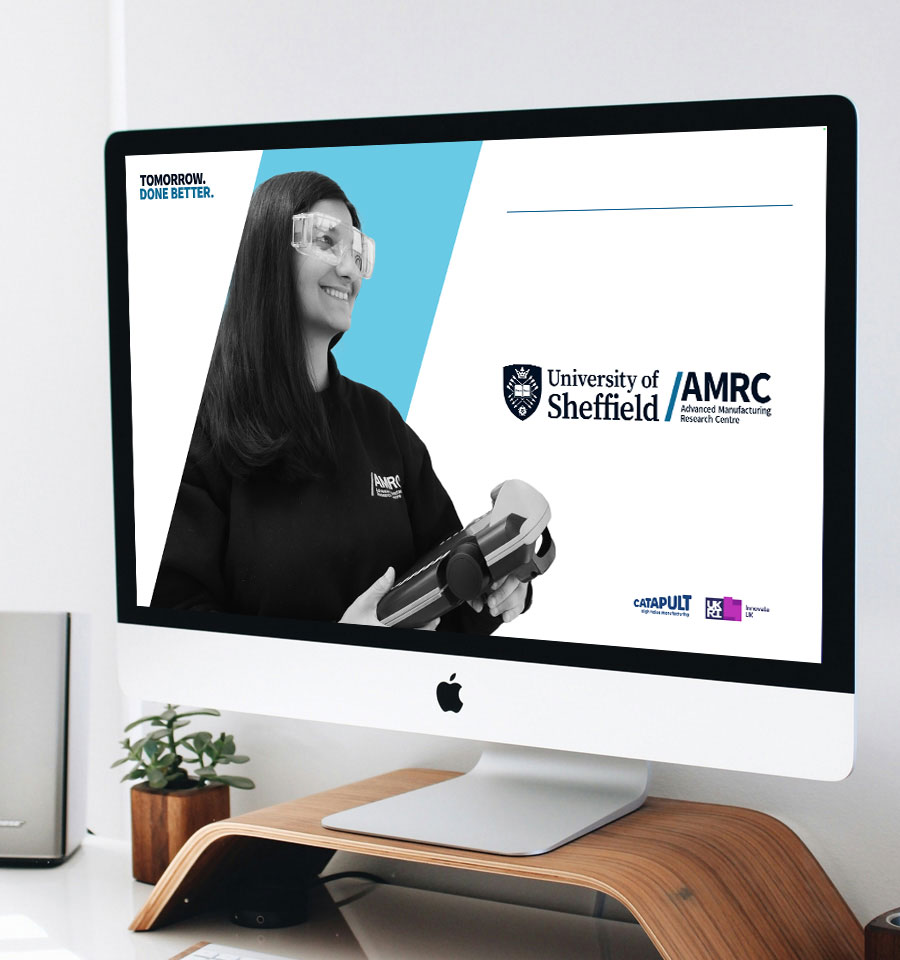
So we build PowerPoint template systems for the people who never asked for one: real layouts rather than a blank master, locked brand elements, a charting library, an icon set, and enough options that a lecturer with 20 minutes does not go looking for a workaround. You can see what one looks like in the template system we built for Totalmobile. Different sector, same problem.
“Why not just fix the template we already have?”
Sometimes that is the right answer, and we will tell you so rather than sell you a rebuild. But most institutional templates fail for the same reason: they were built as a brand asset rather than as a tool, so they solve consistency and nothing else. A template will not decide what goes on slide one of your clearing talk. The argument still has to be made, and that is the part that wins or loses the room.